The History of Bukhara
Bukhara is a city in an oasis, the largest settlement located in the very heart of the desert. Once situated on the Great Silk Road, the city is one of the most ancient, with a history spanning more than 2,500 years.
Bukhara has woven together the centuries-old history of ancient traditions with the religion of Islam. It is a city with a remarkable atmosphere of wisdom, holiness, and learning. Once you have visited this city, you feel as though you are in another world, on another planet. The unique blend of cultural, religious, and ethnic civilisations has turned Bukhara into a city of unforgettable impressions.
Zoroastrians, Christians, Jews, and Buddhists once lived in the territory of the Bukhara region. By the end of the 9th century, Bukhara became one of the most important centres of Islam and culture in Central Asia. For several centuries, travellers, pilgrims, preachers, and scholars came here. Bukhara is an abode of scientific, religious, and philosophical knowledge.
Religious figures and progressive minds of their time lived and studied here: Alisher Navoi, Abu Ali ibn Sina (Avicenna), al-Bukhari, and many others who became the true wealth of the republic. They were among the most renowned followers of the spiritual and philosophical teachings of Sufism. The memory of them has been preserved in this land. They created material and intangible monuments, made discoveries, and built incredibly beautiful madrasahs and mosques.
The first historical records were written in the 10th century by Narshakhi in his work "The History of Bukhara". In his writing, he described the ancient Ark Fortress, which can still be seen today. Like Samarkand, Bukhara passed from one conqueror to another over many centuries. Every citizen of Bukhara remembers and knows their rulers well.
After the conquest by Alexander the Great, the Greco-Bactrian Kingdom was formed here. Later came the Kushan and Hephthalite states, the Turkic Khaganate, the Arab Caliphate, and the states of the Samanids, Karakhanids, Kara-Khitans, and Khwarazmshahs.
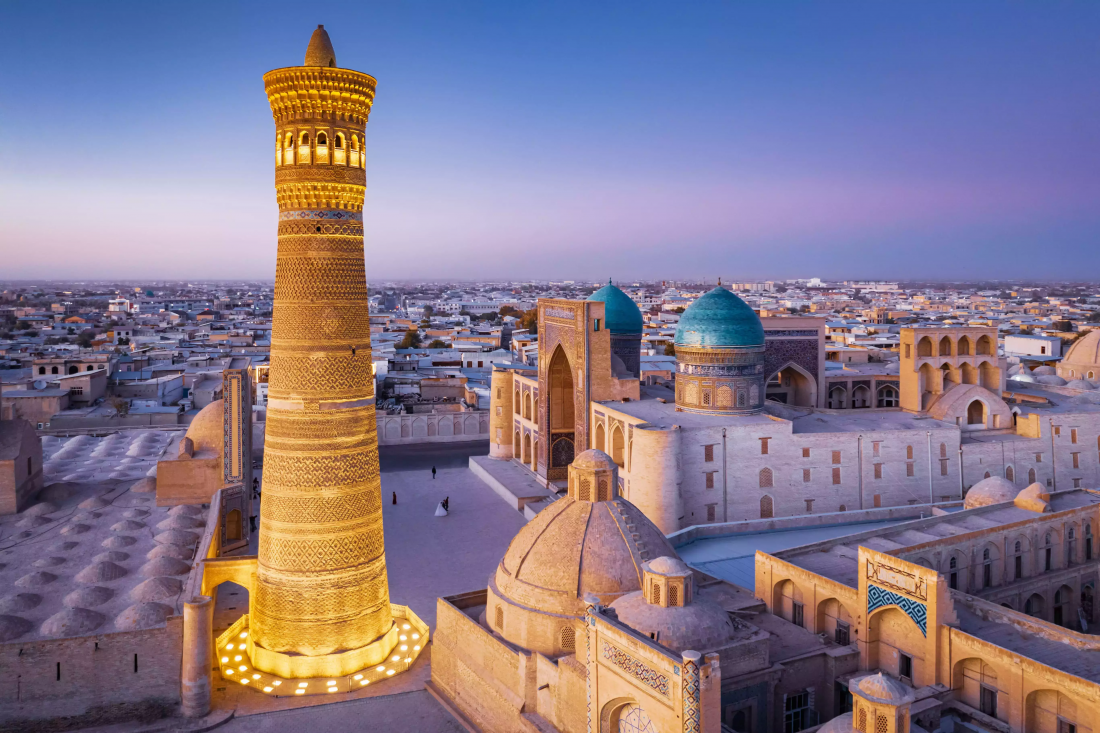
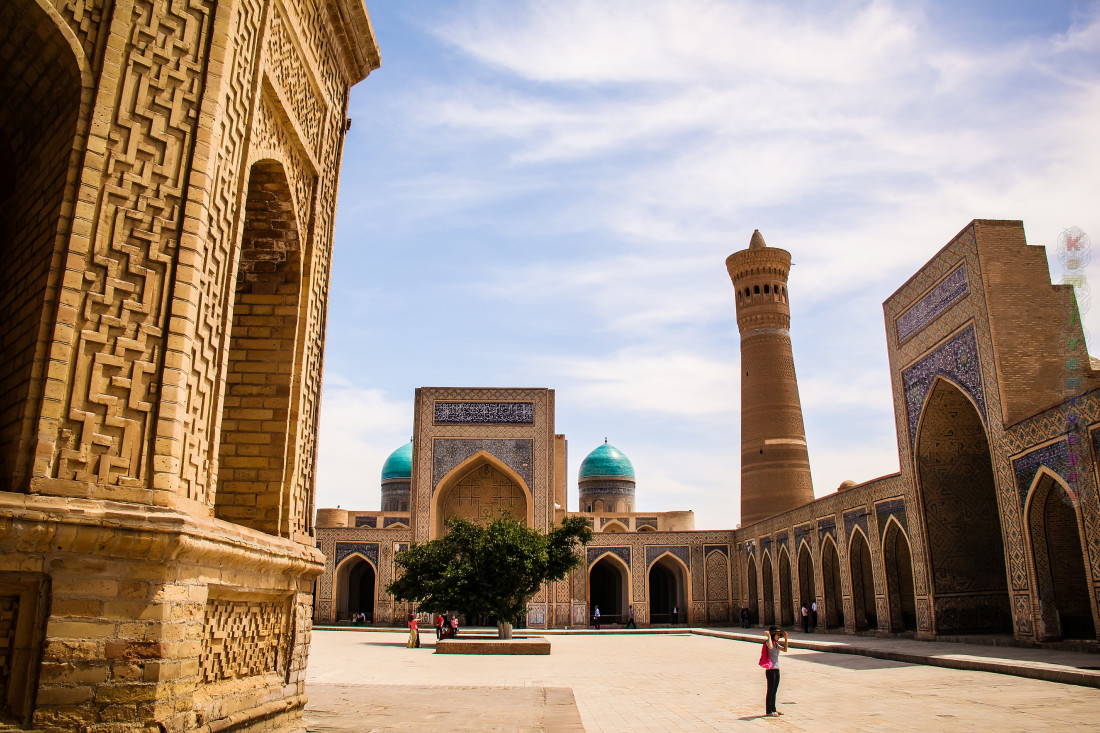
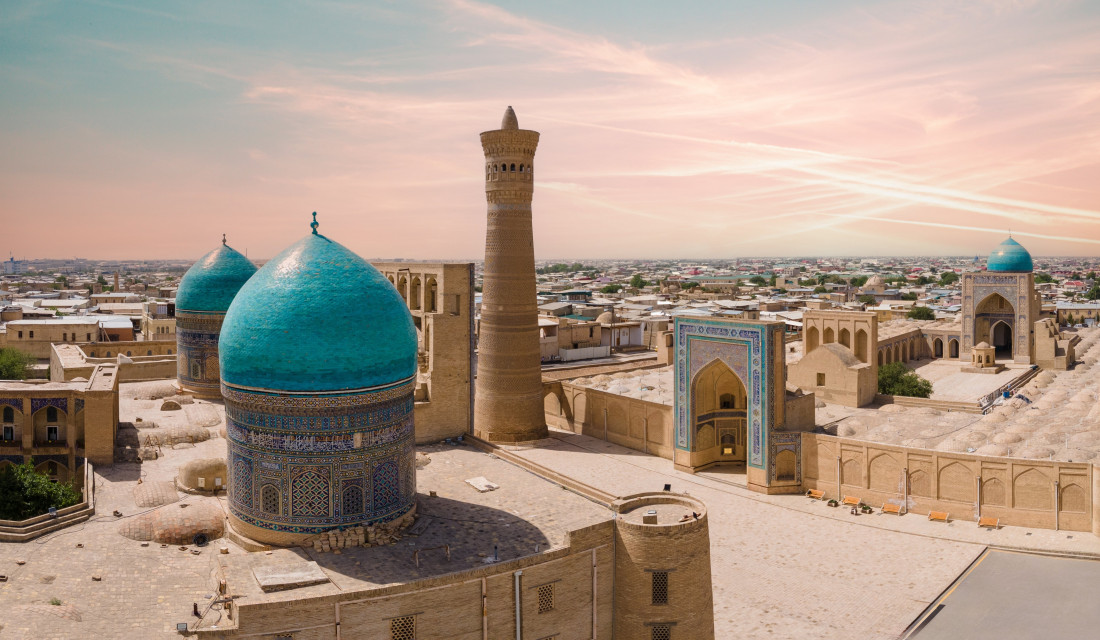
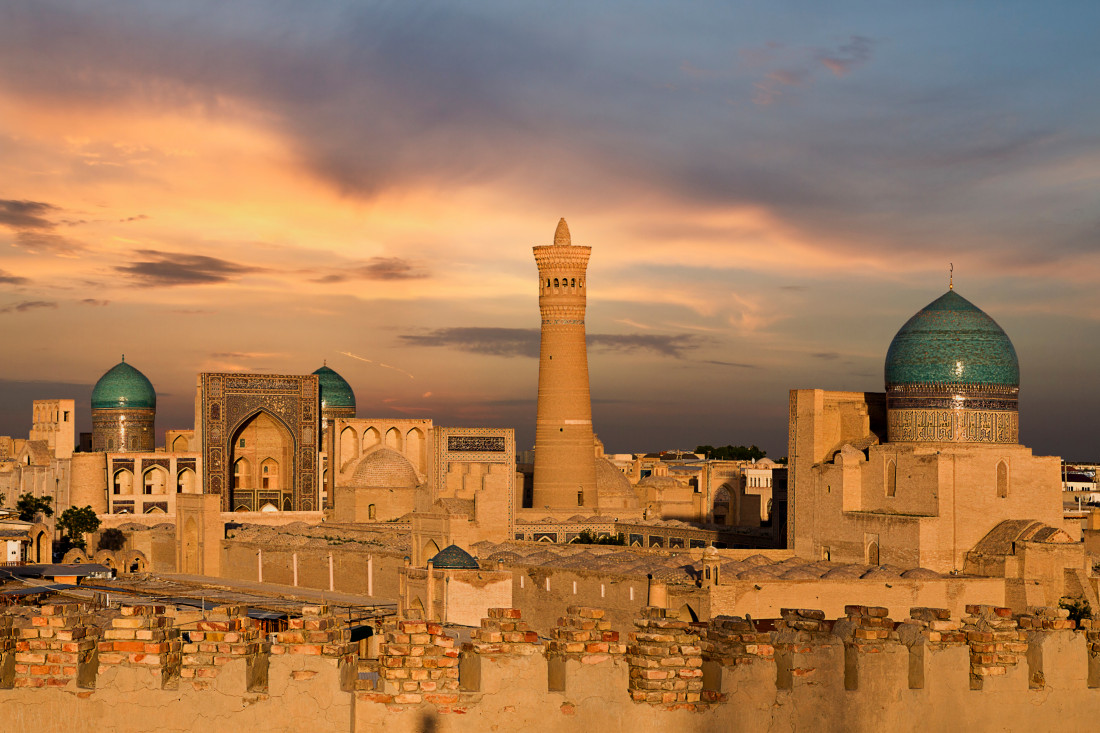
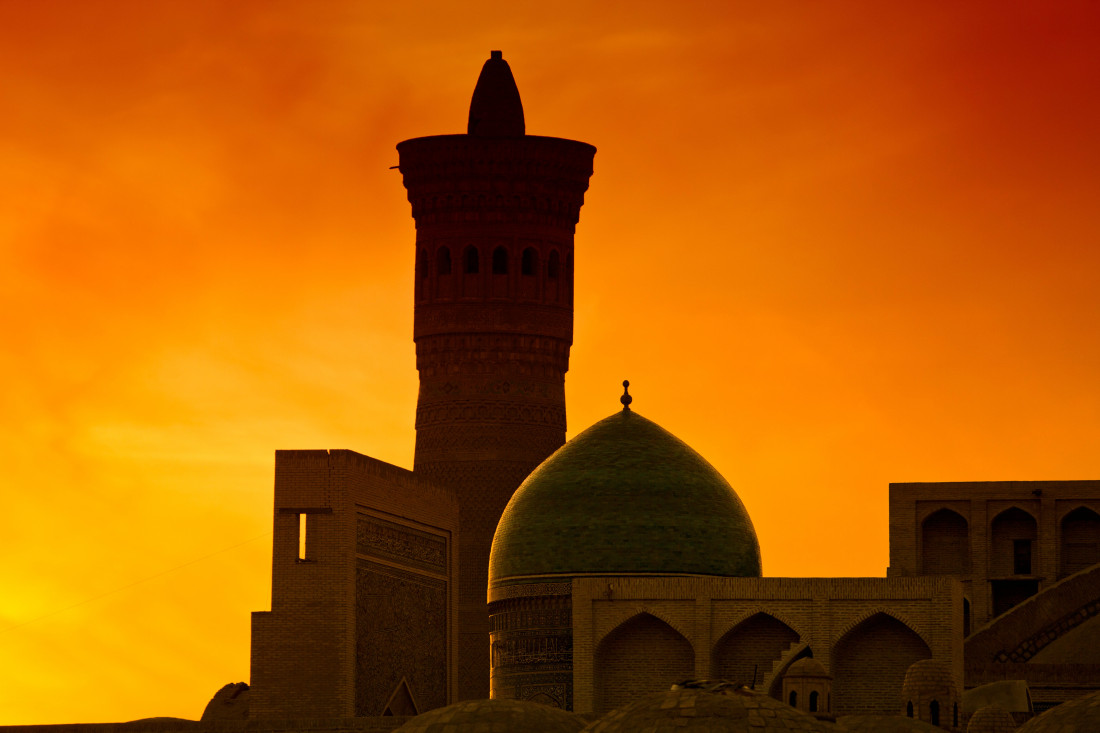
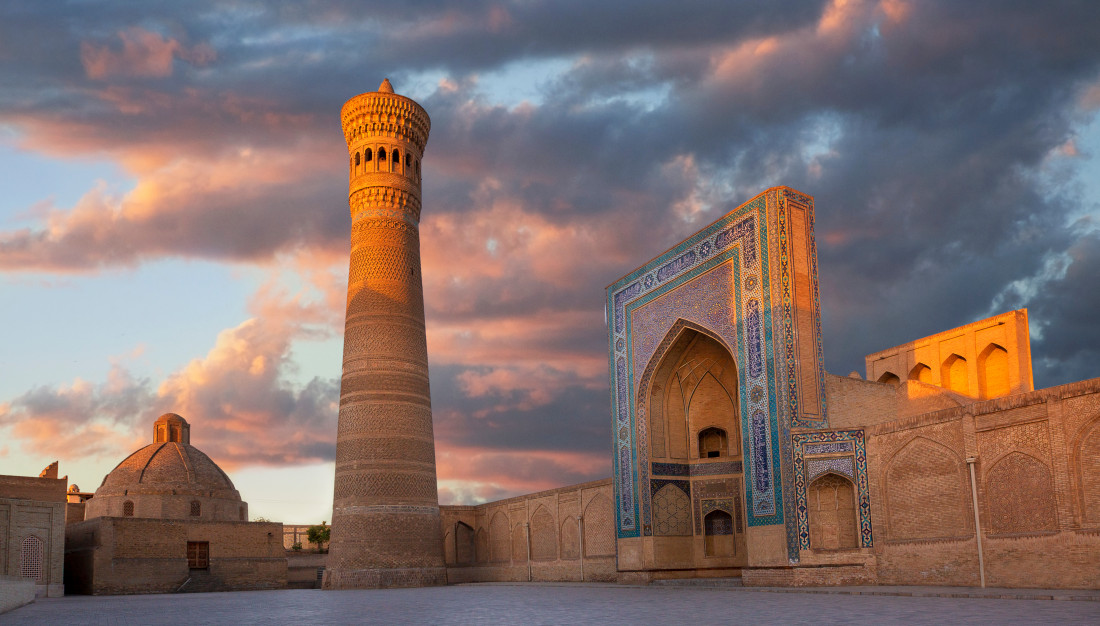
In the 13th century, the Mongol invasion took place. According to legend, after conquering Bukhara, Genghis Khan made his way toward its main minaret, Poi-Kalyan, to inspect it. He raised his head, and his war helmet fell from it. The conqueror bent down to retrieve it and then, smiling, said: "I have conquered Bukhara, yet I bowed before its minaret", and gave the order not to destroy the minaret.
During the reign of Amir Temur (Tamerlane) and the Timurids, Bukhara flourished. In this era, the city became a paradise garden. From then on, it became the holy Bukhara, or Bukhara-i Sharif.
From the 16th to the early 20th century, Bukhara was the capital of a khanate. Famous dynasties such as the Shaybanids and the Ashtarkhanids ruled here. During this time, the city reached the peak of its development. Scientific knowledge and cultural life flourished here. The city acquired a modern appearance. Grand architectural ensembles and complexes were built that astonish us to this day.